Biodiversity EIA/ESIA & Renewable Energy Surveys | Wildtour
Location: Indochina (Vietnam, Laos and Cambodia)
Sponsors: Multiple organisations (ADB, World Bank, etc.)
Years: Since 2017
Collaborator(s)/Partner(s): ERM, UPC, AFC, AFD, etc…
Number of projects: 50+ projects
Since 2017, Wildtour has pioneered biodiversity impact studies for renewable energy and infrastructure developments across Indochina. We help investors manage biodiversity risks and foster nature-positive outcomes. Utilizing standardized and cutting-edge research methods, our team provides critical scientific evidence and strategic recommendations to ensure full compliance with national laws and international environmental and social safeguards (e.g., IFC and ADB standards).
Since 2017, Wildtour has supported biodiversity assessment for renewable-energy and infrastructure projects across Vietnam and neighbouring countries. Our role typically includes ecological baseline surveys, species and habitat screening, interpretation of biodiversity risk, field evidence for impact assessment, and practical mitigation or monitoring recommendations.
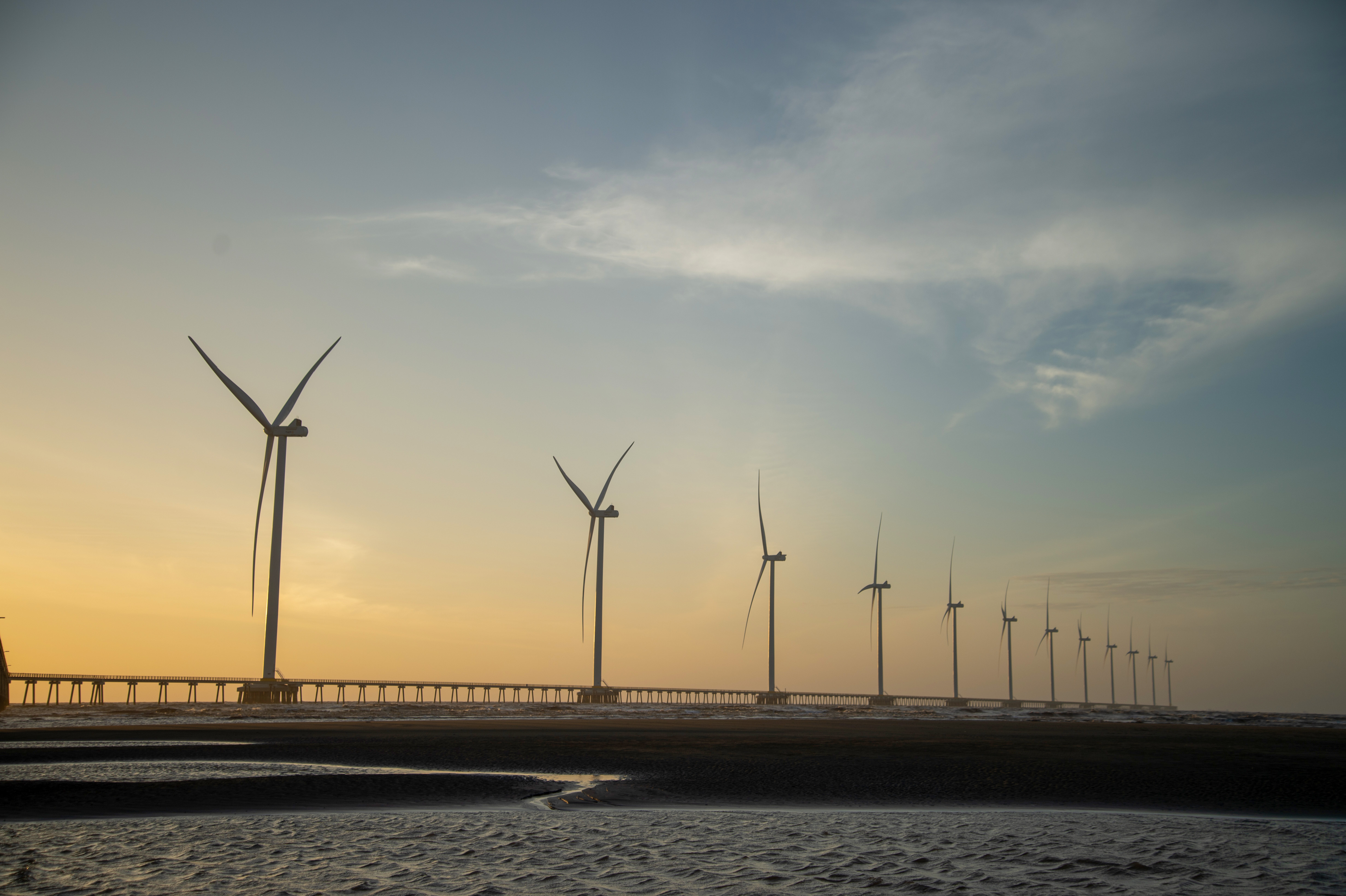
The nearshore wind power project in the Mekong Delta coast
Relevant Environmental and Social Standards and Guidelines
The Environmental and Social Impact Assessment is consistent with international standards. Wildtour has advised that the relevant standards applicable to the project will be the World Bank Environmental and Social Framework. The World Bank Framework combines with the International Finance Corporation (IFC) Performance Standards (PS), in particular IFC PS6 Biodiversity Conservation and Sustainable Management of Living Natural Resources.
IFC PS6 recognises three different types of biodiversity habitats: modified habitat, natural habitat and critical habitat. Modified habitat includes areas that may contain a large proportion of plant and/or animal species of non-native origin, and/or where human activity has substantially modified an area’s primary ecological functions and species composition. Natural habitat includes areas composed of viable assemblages of plant and/or animal species of largely native origin, and/or where human activity has not essentially modified an area’s primary ecological functions and species composition. Critical habitats area areas with high biodiversity value, including:
- habitat of significant importance to Critically Endangered and /or Endangered Species;
- habitat of significant importance to endemic and/or restricted-range species;
- habitat supporting globally significant concentrations of migratory species and/or congregatory species; and
- highly threatened and/or unique ecosystems;
- areas associated with key evolutionary processes; and areas associated with key evolutionary processes.
ESIA Consultant
Mekong shorebirds, wind energy surveys and Tram Chim conservation
Use this area to feature selected projects with photos, partner logos, key results and links to full project pages.